





---
title: "Track Broken Links With The 404 Monitor"
url: https://nexterwp.com/docs/404-monitor/
date: 2026-07-17
modified: 2026-07-23
author: "Aditya Sharma"
description: "Every 404 is a visitor or a search bot hitting a dead end. The 404 Monitor logs real 404 hits on your site so you can spot broken or renamed..."
word_count: 358
---

# Track Broken Links With The 404 Monitor

## Key Takeaways

- 404 Monitor logs real 404 hits in Nexter SEO so broken or renamed URLs can be redirected before they cost traffic.
- Monitor 404s is the master toggle, and the 404 Log filters entries with Search URL or referrer while Clear All empties the log.
- Privacy by Design stores only the referring domain, never the full referrer URL, and older rows are pruned automatically so the log never grows unbounded.

Every 404 is a visitor or a search bot hitting a dead end. The 404 Monitor logs real 404 hits on your site so you can spot broken or renamed URLs and turn them into redirects before they cost you traffic.

Nexter → Content SEO → Redirects → 404 Monitor.


## How To Track 404 Errors In Nexter SEO?

- Open **Redirects** in the left-hand nav and click **404 Monitor**.

- Turn on **Monitor 404s** to start logging.

- Let it run. Real visitor and crawler 404s appear in the **404 Log** automatically.

- For any repeat 404, create a redirect to the correct URL in the [Redirection Manager](/docs/create-and-manage-redirects/).

- Use **Clear All** to reset the log once you have handled the entries.
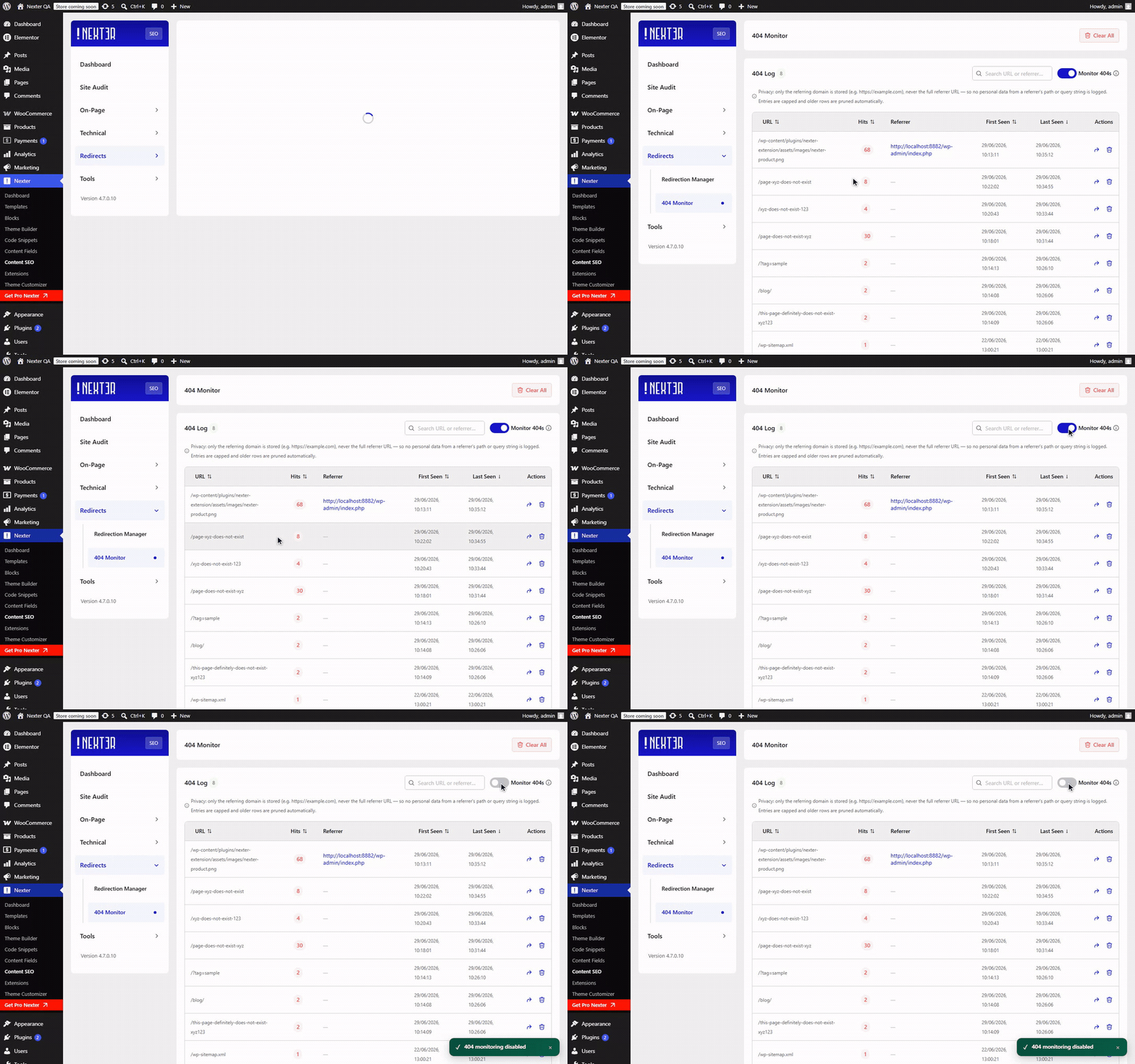
![Nexter SEO 404 Monitor showing the 404 log, search box, and Monitor 404s toggle](https://nexterwp.com/wp-content/uploads/2026/07/nseo-16-404-monitor.gif)

- **Monitor 404s** — the master toggle. When on, Nexter SEO records 404 hits as they happen.

- **404 Log** — the list of logged 404s. Use the **Search URL or referrer** box to filter.

- **Clear All** — empties the log.


### Privacy By Design

The monitor is built to be privacy-friendly: it stores only the **referring domain** (for example, `https://example.com`), never the full referrer URL, so no personal data from a referrer's path or query string is logged. Entries are capped and older rows are pruned automatically, so the log never grows unbounded.


#### Good To Know

- Prioritise 404s with a real referrer or repeat hits — those are links people and search engines are actually following.

- The workflow is: monitor → review the log → redirect the URLs worth saving → clear the rest. Not every 404 needs a redirect; ignore one-off bot noise.

- Leave monitoring on after a site migration or slug change, when 404s are most likely.


#### Troubleshooting

- **The log is empty.** That is normal on a healthy site. Confirm **Monitor 404s** is on; entries only appear when a real 404 occurs.

- **A URL keeps 404ing after I added a redirect.** Check the redirect's From value and match condition in the [Redirection Manager](/docs/create-and-manage-redirects/), then test the URL in a private window.

**Related:** [Create And Manage Redirects](/docs/create-and-manage-redirects/) · [XML Sitemaps](/docs/xml-sitemaps/)


[Explore Nexter Extension](https://nexterwp.com/nexter-extension/)


This is how you can track and fix broken links with Nexter SEO.

## Frequently Asked Questions

**Q: Why is my WordPress 404 monitor log empty?**
A: An empty log usually means the site is healthy or no real 404 has happened yet. Nexter SEO only records hits when Monitor 404s is turned on and a visitor or crawler actually reaches a dead URL. That makes the log useful for real breakage, not guesswork. If you are testing, hit a known broken URL in a private window and then check the 404 Log.

**Q: How do I find broken links after a WordPress migration or slug change?**
A: Keep monitoring on after a migration or slug change, because that is when broken URLs are most likely to show up. Nexter SEO logs real visitor and crawler 404s automatically in the 404 Log, so you can catch renamed pages before they keep sending traffic to dead ends. Prioritise entries with repeat hits or a real referrer, since those are the ones people and search engines are actually following.

**Q: What should I do with repeat 404 errors in WordPress?**
A: Repeat 404s are the ones worth fixing first. Nexter SEO’s workflow is to review the log, then create a redirect for URLs that still matter in the [Redirection Manager](/docs/create-and-manage-redirects/). That matters because a repeated dead URL is usually linked somewhere or still being crawled. One-off bot noise can usually be ignored, but repeat hits deserve a redirect to the correct URL.

**Q: Does a WordPress 404 monitor store full referrer URLs?**
A: Nexter SEO is built with privacy by design. It stores only the referring domain, such as https://example.com, and never the full referrer URL. That means no personal data from a referrer’s path or query string gets logged. The log is also capped and older rows are pruned automatically, so it does not grow without bound.

**Q: How do I filter 404 errors by URL or referrer in Nexter SEO?**
A: The 404 Log includes Search URL and referrer filtering, which makes it easier to separate one bad link from a bigger pattern. That is useful when you are dealing with lots of crawler noise or multiple broken paths from the same source. Narrowing by referrer helps you spot where the bad link came from before you decide whether it needs a redirect.

**Q: What is the best way to clean up old 404 entries after fixing them?**
A: Use Clear All once you have handled the entries you care about. Nexter SEO’s workflow is monitor, review the log, redirect the URLs worth saving, then clear the rest. That keeps the list readable and makes new breakage easier to spot later. It also helps after you have finished cleaning up redirects or want to reset tracking for a fresh round of monitoring.
