





Key Takeaways
- “AI SEO tool” covers two very different jobs: tools that help you write and optimize content with AI, and tools that measure whether AI engines like ChatGPT and Perplexity actually fetch and cite you. Most people only know the first kind.
- Traditional SEO tools track Google rankings. They cannot see whether an AI crawler pulled your page or whether your brand showed up in an AI answer. That blind spot is the real reason to add an AI SEO tool in 2026.
- A good AI SEO tool should show you AI crawler activity, citation signals, schema and llms.txt support, and a per-page readiness score, with an honest free tier.
- An AI SEO tool does not replace Rank Math or Yoast. It sits next to them and covers the answer-engine layer they were never built for.
- On WordPress you can start free with RankReady, which is built specifically for AI search visibility.
A few weeks back a friend who runs a small WordPress shop asked me which AI SEO tool he should buy. When I asked what he wanted it to do, he said “rank better on ChatGPT.” Then he paused and admitted he had no idea if ChatGPT had ever even read his site. That gap, wanting the result without any way to see it, is exactly where most people are right now. They are shopping for AI SEO tools without knowing what those tools are actually supposed to measure.
So before you spend a rupee or a dollar, here is a plain explanation of what an AI SEO tool really is, what a good one should do, and how to tell whether you need one on top of the SEO plugin you already run.
What “AI SEO tool” actually means in 2026
The phrase gets stretched over two different products, and the confusion costs people money. The first kind is an AI content and optimization tool: it writes drafts, suggests keywords, builds outlines, and grades your on-page copy. Useful, and crowded. Almost every SEO suite now bolts an AI writer onto its dashboard.
The second kind is newer and far less understood: an AI visibility tool. Instead of helping you produce content, it tells you how AI search engines treat the content you already have. Does ChatGPT fetch your pages? Is your site getting cited in AI answers? Are the AI crawlers even allowed in? When someone says they want to “rank on ChatGPT,” this is the tool they actually need, not another AI writer.
If you are weighing specific products, our roundup of the best WordPress SEO plugins that use AI compares the options side by side. This guide is about the decision underneath that: what to look for, and why.
The job your traditional SEO tool cannot do
Rank Math, Yoast, Semrush, Ahrefs: they are excellent at the Google game. Keywords, rankings, backlinks, technical audits. But they were all built around one assumption, that search means a list of blue links on Google. That assumption is cracking.
People now ask ChatGPT, Perplexity, Google AI Overviews, and Copilot for answers, and those engines cite sources. Your traditional tool cannot tell you if you are one of those sources. It cannot show you that GPTBot crawled forty of your pages last week, or that a reader landed on your post from a ChatGPT link. That is the measurement gap an AI SEO tool fills, and it is the honest reason to consider one. If you have never thought about this layer, our primer on answer engine optimization for WordPress is the place to start.
Also Read: The crawlers behind all this matter too. Here is whether to allow or block ChatGPT-User on your WordPress site.
What to look for in an AI SEO tool
Skip anything that just rebrands an AI writer. If you want the visibility layer, judge a tool against this short checklist:
- AI crawler visibility: can it show you which AI bots hit your site, when, and on which pages?
- Citation and referral signals: does it track which of your posts get fetched by citation-style bots, and traffic arriving from AI engines?
- Schema and llms.txt support: can it output clean structured data and an llms.txt file so engines can read and trust your content?
- A readiness score: does it grade each page on how ready it is to be cited, rather than leaving you guessing?
- An honest free tier: can you start without a credit card and without a per-keyword meter?
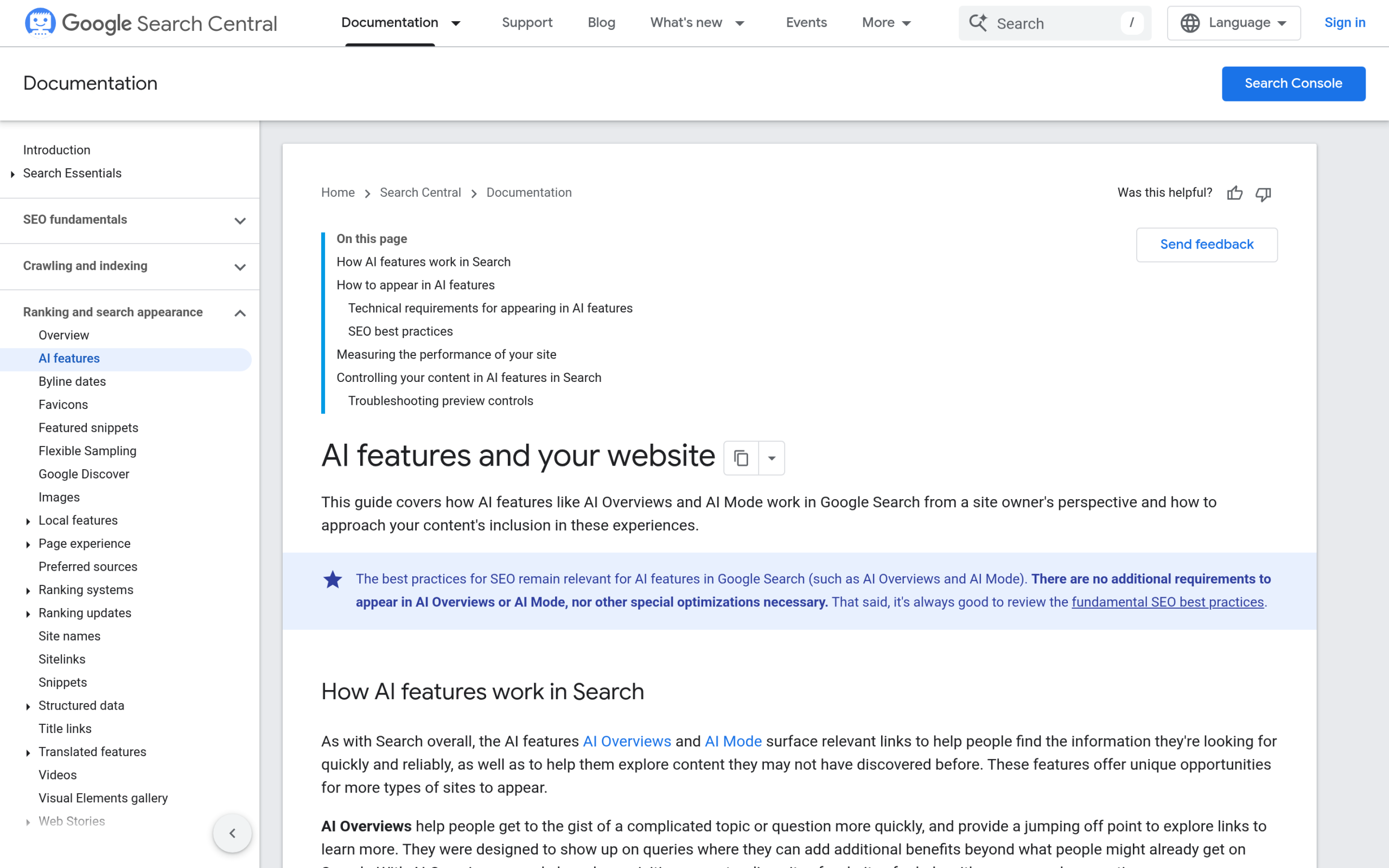
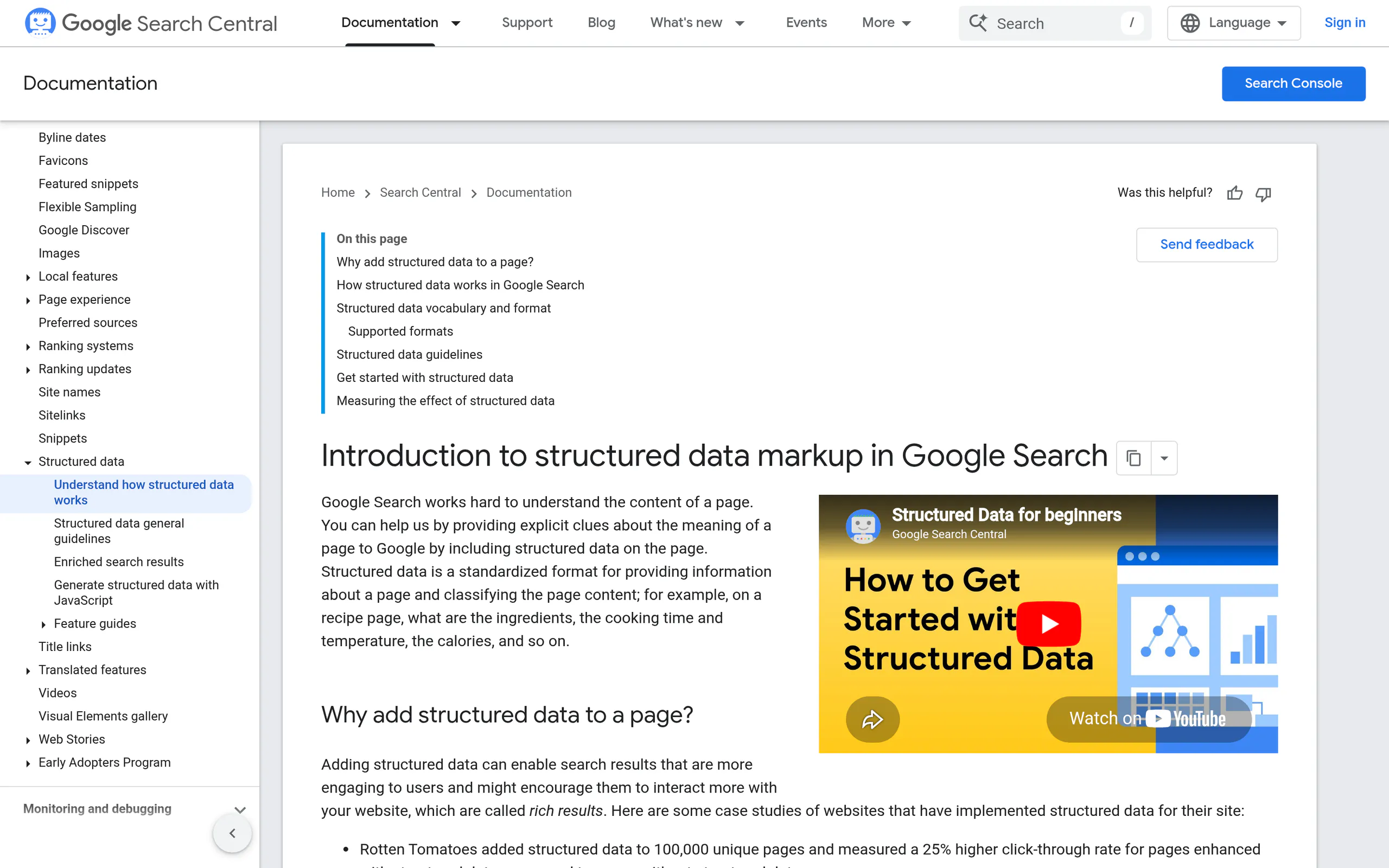
One thing not to over-index on: schema does not buy you a guaranteed seat in AI answers. Google says plainly that there is no special structured data you need to add to appear in AI Overviews. Structured data still helps engines understand and trust your pages, but treat any tool that promises “schema gets you into AI answers” with caution.
Where RankReady fits
On WordPress, the tool built specifically for that visibility layer is RankReady. It is the rare AI SEO tool that focuses on measurement rather than another content generator. Its AI Crawler Log shows, in its own words, that “every time an AI bot hits your site, you see it. Timestamp, page, bot name, what it was likely doing,” covering GPTBot, ClaudeBot, PerplexityBot, Google-Extended and 27 more, which is 31 AI crawlers in one screen.
Beyond the log, it tracks AI referral traffic from chatgpt.com, perplexity.ai, claude.ai, gemini.google.com and copilot.microsoft.com, keeps a citation-candidates leaderboard of the posts citation-style bots fetched in the last 30 days, and gives every post a readiness score from 0 to 100 based on schema, freshness, content depth, and author signals. It also generates llms.txt and the schema types that matter, including Article, Speakable, and FAQPage.
It is free, forever, released under GPL-2.0-or-later, and runs on WordPress 6.0 and up with PHP 7.4 and up. For most site owners, that honest free tier answers the “do I need to pay for an AI SEO tool” question on its own.
Also Read: Want to see the citations as they happen? Here is how to track Google AI Overviews and AI citations for your site.
Do you still need Rank Math or Yoast?
Yes. This is the part the hype gets wrong. An AI SEO tool is not a replacement for your classic SEO plugin, it is a second instrument for a second kind of search. Rank Math and Yoast still handle titles, sitemaps, redirects, Google Search Console, and on-page scoring. RankReady handles the AI crawler and citation layer they were never designed for. They run side by side without stepping on each other.
If you want a closer look at how the two categories differ in practice, our Rank Math versus RankReady comparison breaks down exactly which tool owns which job.
How to start on WordPress today
You do not need a budget to begin. Keep your current SEO plugin exactly as it is. Add a free AI visibility tool, open its crawler log, and watch for a week. You will quickly see which AI bots are reaching you and which of your pages they care about. From there, fix the pages with low readiness scores, make sure your best content is in your llms.txt, and confirm the AI crawlers you want are not being blocked at your server or CDN.
That sequence, measure first, then improve, is the whole point of an AI SEO tool. Buying one before you can see your own AI visibility is backwards. Pairing it with solid E-E-A-T for AI search is how you turn that visibility into citations.
So, do you need one?
If you care whether ChatGPT, Perplexity, and Google AI answers mention your site, then yes, you need the visibility kind of AI SEO tool, because nothing else on your stack can show you that. If you only wanted help writing posts, you probably already have that built into your existing setup. Get clear on which job you are solving, start with a free tool, and let the data tell you what to do next.
Suggested Reading
- Best WordPress SEO plugins that use AI
- Answer engine optimization for WordPress
- Rank Math vs RankReady: which one for AI search
- How to track Google AI Overviews and AI citations
- ChatGPT-User: allow or block it on WordPress
