





Key Takeaways
- Perplexity answers questions with a real-time web search and cites its sources inline, so the goal is to become a cited source, not to rank a blue link.
- PerplexityBot indexes your pages, and a separate user-triggered fetch pulls pages in real time when someone asks a question, so both your robots.txt rules and your live content matter.
- Perplexity favors pages that answer a question clearly and early, are well structured, stay fresh, and come from a recognized entity.
- On WordPress you earn citations with clear answers, schema, freshness, descriptive internal links, and by allowing PerplexityBot.
- The free RankReady plugin shows whether PerplexityBot is fetching you and whether Perplexity is sending real referral traffic.
A reader emailed us last month to say he had found our site through a Perplexity answer. He had not searched Google at all. He asked Perplexity a question, got a paragraph with a small numbered citation, clicked it, and landed on our post. That is a completely different path to a visitor than the one most of us still optimize for.
Perplexity does not show ten links and let people choose. It reads the web in real time, writes one answer, and cites the handful of sources it used. So the question is not how to rank on Perplexity. It is how to become one of the sources it quotes. This guide explains how Perplexity finds, reads, and cites WordPress sites, and the practical work that makes your pages citable.
How Perplexity actually works
Perplexity is an answer engine. When someone asks a question, it runs a live web search, reads the most relevant pages, and writes a synthesized answer with inline citations pointing back to the sources it used. That citation-first format is the whole product, which is good news for site owners: unlike a model answering purely from training data, Perplexity has a strong incentive to surface and link real pages.
This is where it differs from a default ChatGPT chat. ChatGPT can answer from what it learned during training without naming a source, while Perplexity leans on retrieval and shows its work. If you want the mechanics of getting picked by ChatGPT specifically, we cover that separately. For Perplexity, the lever is being the clearest retrievable answer at the moment the question is asked.
How Perplexity finds and reads your site
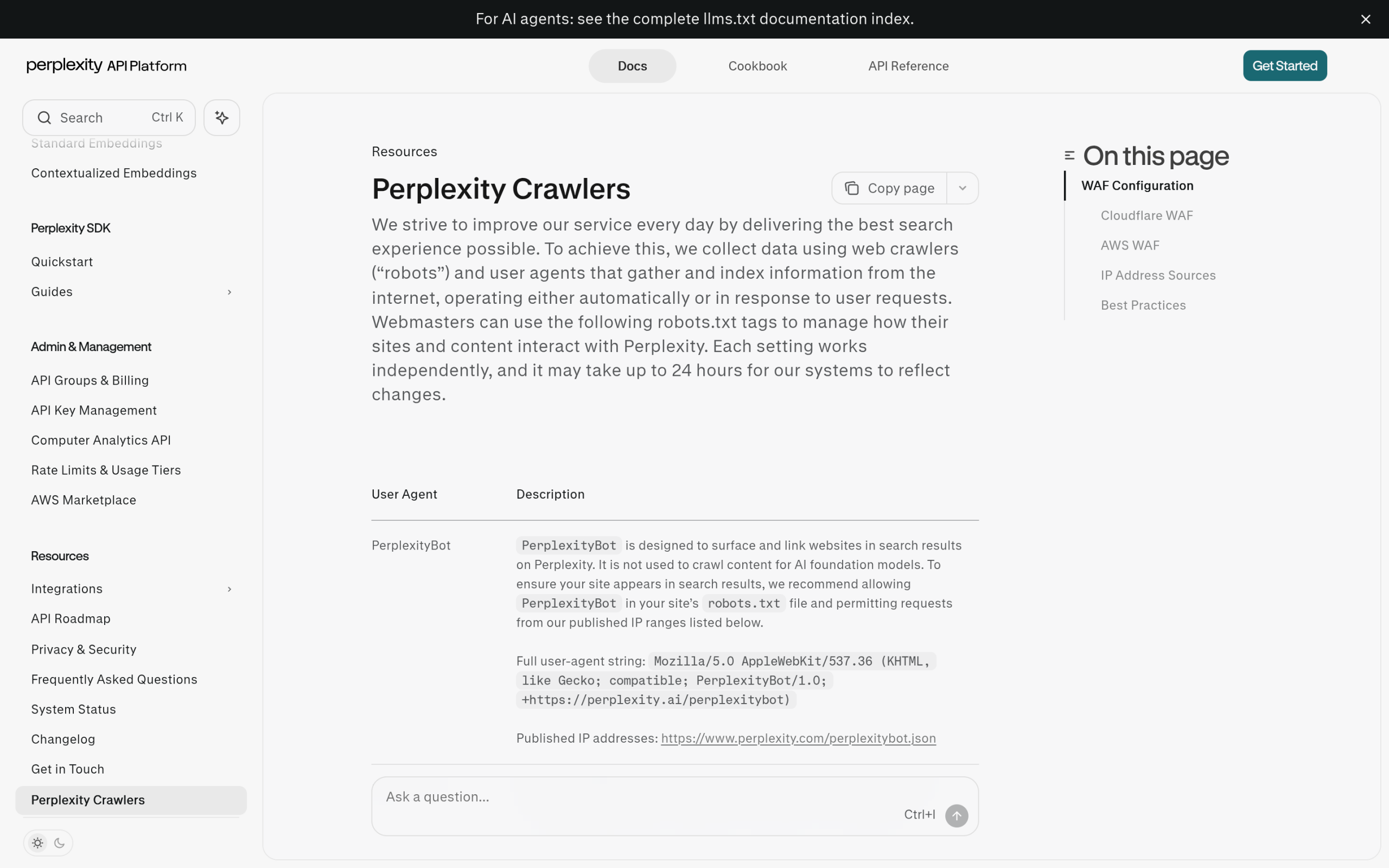
Perplexity reaches your content two ways. PerplexityBot is the crawler that discovers and indexes pages so they can be retrieved later. A separate user-triggered fetch pulls pages in real time when a person asks a question that needs current information. Both matter: if your robots.txt blocks PerplexityBot, you opt out of being indexed, and if your live page is slow or broken, the real-time fetch gets less to work with.
So the first practical step is simply to let Perplexity in. Confirm your robots.txt allows PerplexityBot, the same way you would think about any other AI crawler. If you have made deliberate choices about ClaudeBot or other bots, make a conscious one here too rather than blocking by accident.
Also Read: The full list of AI web crawlers shows which bots index, train, and cite, so you can set robots.txt with intent.
Why Perplexity cites some pages and not others
Being indexed gets you in the pool. Getting cited is about being the best answer in that pool. From watching which pages get pulled, four things consistently matter.
| Signal | Why Perplexity rewards it |
|---|---|
| A clear, early answer | The engine can lift a clean passage that directly answers the question without wading through fluff. |
| Strong structure | Headings, lists, and tables let it find and extract the exact part it needs. |
| Freshness | For many questions Perplexity prefers current pages, so stale content gets passed over. |
| Entity authority | Content from a recognized source on the topic is more likely to be trusted and quoted. |
Notice that none of these are tricks. They are the same things that build entity authority and make you citable across every answer engine, which is why a solid answer engine optimization foundation pays off on Perplexity too.
How to become a Perplexity source on WordPress
Here is the practical checklist on a WordPress site.
- Answer the question in the first paragraph. State the direct answer up top, then expand. That opening passage is what an engine is most likely to quote.
- Use real structure. Clear H2s, lists, and tables, so Perplexity can extract the exact piece that answers a sub-question.
- Keep important pages fresh. Update and re-date posts that target current topics instead of letting them go stale.
- Allow PerplexityBot in robots.txt, and do not accidentally block it behind a security plugin or firewall rule.
- Link with descriptive anchors so the relationships between your pages, and your authority on a topic, are legible.
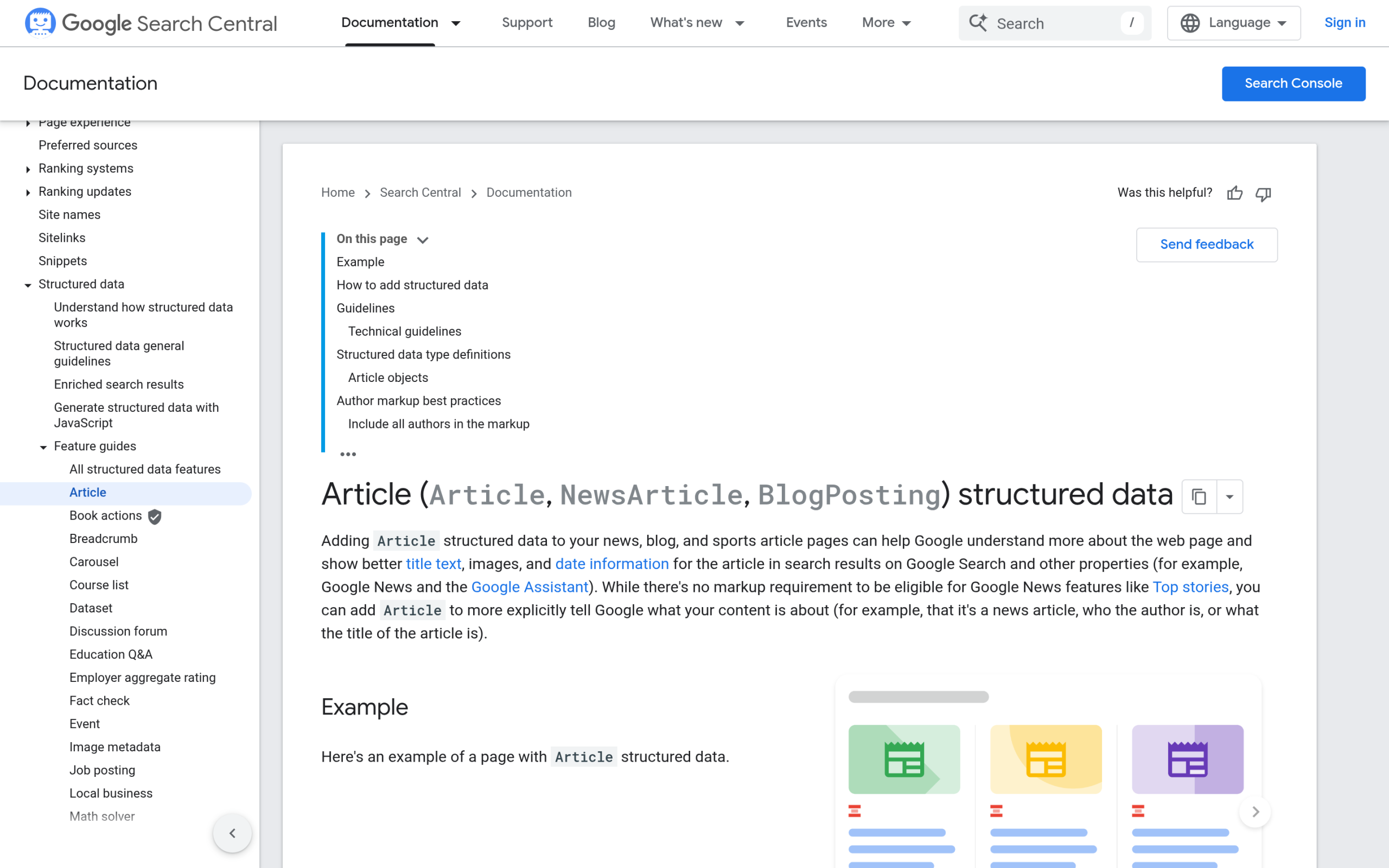
- Add schema. Article, FAQPage, and Speakable markup state your facts in a form machines parse without guessing.
Also Read: LLM SEO for WordPress covers the same citation goal across ChatGPT, Gemini, and Perplexity together.
Make your site machine-readable for Perplexity
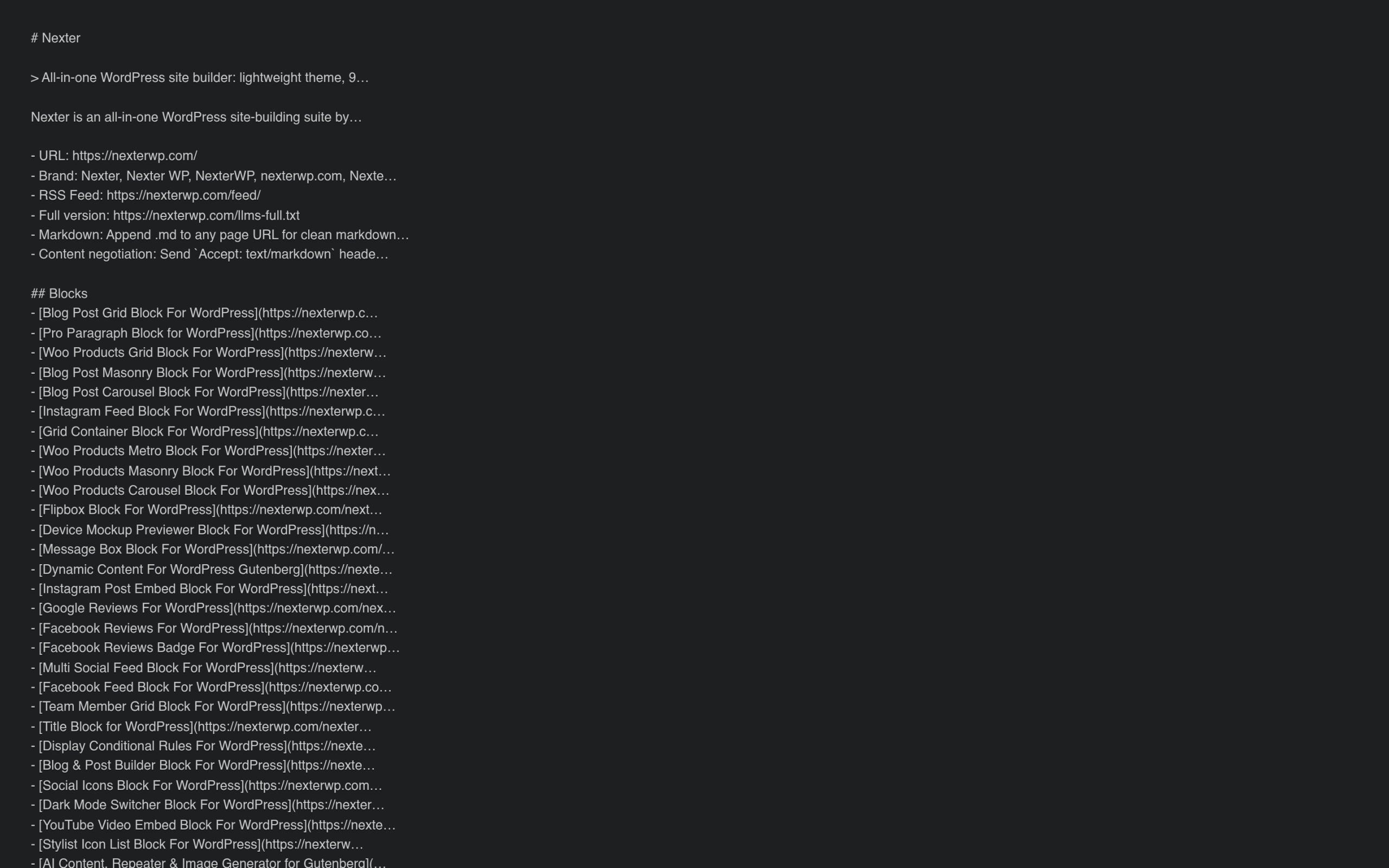
The easier your meaning is to parse, the more likely an answer engine is to use you. Two signals help. Schema markup describes your content in JSON-LD, and llms.txt hands AI agents a clean map of your most important pages. Neither is a magic switch, but both reduce the work an engine has to do to understand and quote you.
This is where the free RankReady plugin fits. It generates llms.txt and llms-full.txt, serves any post as clean Markdown at a /post.md endpoint, and adds Article, FAQPage, HowTo, ItemList, Person, and Speakable schema that merges into your existing graph. It controls 31 AI crawlers individually, including PerplexityBot, so you can allow the ones you want from one screen. To be honest about it: RankReady structures and measures your content, it does not write it or guarantee a citation. A thin page with perfect markup is still a thin page.
How to tell if Perplexity is citing you
You cannot improve what you cannot see. Traditional analytics rarely break out AI traffic, so most sites have no idea whether Perplexity is reading them. RankReady answers that directly, for free. Its live AI crawler log shows when PerplexityBot fetched your pages, its citation-candidates view tracks the posts that citation bots are pulling, and it reports real referral visits from perplexity.ai alongside chatgpt.com, claude.ai, and gemini.google.com. That turns a guess into a number you can act on.
Your Perplexity citation checklist
- Allow PerplexityBot in robots.txt and check no firewall or security plugin is blocking it.
- Answer the core question in the first paragraph of each post.
- Structure content with clear H2s, lists, and tables so passages are easy to extract.
- Keep topical pages fresh and re-dated when you update them.
- Add Article, FAQPage, and Speakable schema, and publish an llms.txt file.
- Build entity authority with descriptive internal links and a real author profile.
- Track PerplexityBot fetches and perplexity.ai referrals so you know what is working.
Wrapping up
Perplexity rewards the same things good SEO always has, clear answers and real authority, but it measures them as a machine reading for a citation rather than a person scanning a list. Let PerplexityBot in, answer questions plainly, structure your pages, keep them fresh, and state your meaning in schema. Then watch whether the citations actually arrive. If you want to see PerplexityBot activity and AI referrals without paying for a tool, the free RankReady plugin shows you exactly that.
Suggested Reading
- LLM SEO: how to get cited by ChatGPT, Gemini and Perplexity
- How to rank in ChatGPT: getting cited in AI answers
- Answer engine optimization: the complete WordPress guide
- Web crawlers list: the bots indexing your WordPress site
- Entity SEO: how WordPress sites get recognized by AI
