





Key Takeaways
- Optimizing content for AI search means structuring a page so engines like ChatGPT, Perplexity, and Google AI Overviews can understand and quote it, not just rank it.
- It builds on good SEO, it does not replace it. An indexable, fast, well-written page is still the base.
- The workflow has four moves: write for extraction, add a machine-readable layer, prove who is behind the content, then measure what AI does with your pages.
- Lead each section with a clear, self-contained answer, then add depth. Extraction tools grab the first clean sentence.
- A free plugin can generate the schema, llms.txt, and tracking, but it cannot make thin content worth citing.
I went looking through a client’s server logs a few months ago and watched an AI crawler fetch one of their best guides. Then I asked the same question in ChatGPT and got a clean answer that quoted a competitor instead. Our page had the better information. It just buried the answer four paragraphs down, wrapped in setup and throat-clearing, with no structure a machine could grab. The crawler came, read, and moved on.
That is the gap this guide closes. Optimizing content for AI search is not a new dark art. It is a short, repeatable workflow you run on a page so engines can find the answer, trust it, and quote it. Below are the four steps I use, in order, plus an honest note on where a plugin helps and where it does not.
What optimizing content for AI search actually means
Traditional SEO gets your page indexed and ranked so a person clicks a blue link. AI search adds a second job: an engine reads your page, decides whether it can answer a question, and either quotes you or quotes someone else. You are no longer only competing for a ranking. You are competing to be the source a model pulls a sentence from.
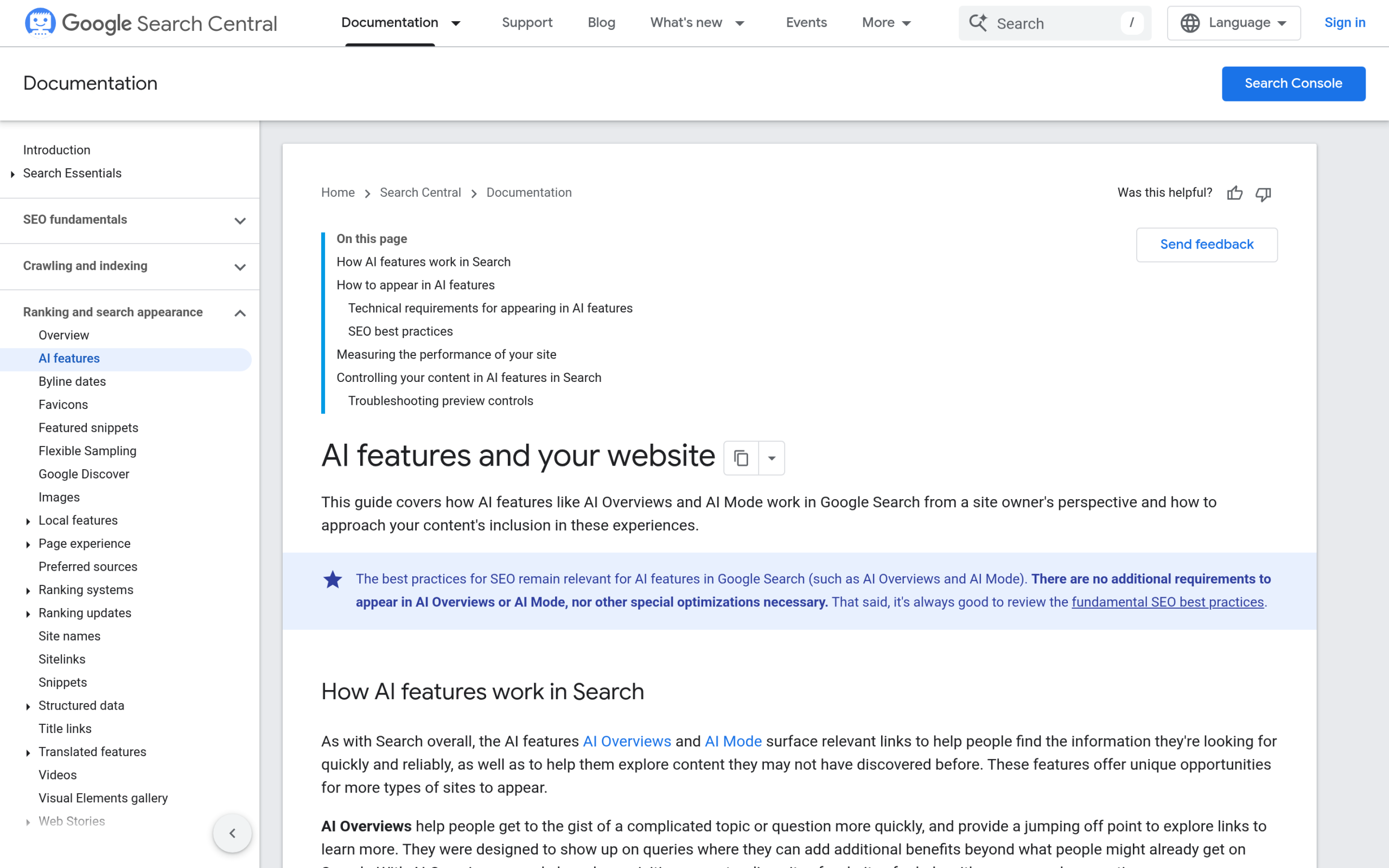
So optimizing content for AI search means making a page easy to read, easy to extract, and easy to trust for a machine. It sits on top of normal SEO, it does not replace it. If your page is not indexable, slow, or thin, no amount of AI tuning helps. Get the basics right first, then layer the four steps below. If you are still deciding whether you even need help with this, the honest take in do you actually need an AI SEO tool is a good starting point.
Step 1: Write each section so it can be extracted
Models pull short, self-contained passages. The single biggest change you can make is to answer the question in the first sentence of a section, then expand. Front-load the fact, then add the nuance, the caveats, and the example.
- Use a question or a clear claim as your H2, then answer it in the first line below.
- Keep answer sentences self-contained. Avoid openers like “this” or “as mentioned above” that only make sense in context.
- Use lists and small tables for steps and comparisons. They extract cleanly and map well to how an engine builds an answer.
- One idea per paragraph. Walls of text hide the sentence you want quoted.
This is the same discipline behind answer engine optimization: you are writing for the question, not just the keyword.
Step 2: Add the machine-readable layer
Once the words are clean, give machines explicit signals about what the page is and which parts matter. This is the layer most content skips.
- Article schema so engines know the page is an article, with a headline, author, and dates.
- Speakable schema to flag the one or two sentences you would want read aloud or quoted.
- An llms.txt file that gives AI crawlers a tidy index of your key content, plus Markdown versions of posts they can read without wading through page markup.
- Clean headings and a real table of contents, so the structure of the page is obvious without guessing.
Also Read: Speakable Schema in 2026 for exactly which sentences to flag and how to add the markup.
Step 3: Make it obvious who is behind the content
AI engines weigh trust heavily, because quoting a wrong or anonymous source is a real risk for them. You reduce that risk by making authorship and expertise explicit. Add a real author with a bio and credentials, use Person schema, cite primary sources, and keep pages updated with visible dates.
You also help engines connect your page to the right things in the world: the people, products, and topics it is about. That is the job of entity SEO, and it is what turns a page from “some text” into “a clear statement from a known source about a known thing.”
Also Read: E-E-A-T for AI Search on how WordPress sites earn trust from Google AI, ChatGPT, and Perplexity.
Step 4: Measure what AI actually does with your pages
The step almost everyone skips is checking whether any of this worked. Traditional analytics will not tell you that GPTBot fetched a post or that Perplexity built an answer from it. You need to watch the AI layer directly: which crawlers visit, which pages they pull, and whether AI tools send you any referral traffic.
RankReady, the free AI SEO plugin from POSIMYTH, is built for this measurement gap. It generates Article and Speakable schema, FAQPage and HowTo where they fit, plus your llms.txt and Markdown endpoints, so steps 2 and 3 are mostly handled for you. Then it shows a live log of 31 named AI crawlers (GPTBot, ClaudeBot, PerplexityBot, Google-Extended, and more), a citation-candidates leaderboard of posts those bots fetched in the last 30 days, and a per-post readiness score from 0 to 100. It is free, GPL-2.0-or-later, and runs on WordPress 6.0+ with PHP 7.4+. The honest limit: it measures and structures, it does not write your content or guarantee a citation. You can see the full feature set on the RankReady plugin page.
How this differs from traditional SEO (and from buying a tool)
Two honest clarifications. First, this is not a replacement for SEO. Most of what helps AI search, clear writing, structure, schema, and trust, also helps Google rankings. You are extending good SEO, not abandoning it. Second, a tool is not the strategy. The four steps above are the strategy. A plugin like RankReady removes the manual work in steps 2 and 4, but the writing in step 1 and the credibility in step 3 are still on you.
If you want the wider context for where all of this is heading, LLM SEO for WordPress covers how citations work across ChatGPT, Gemini, and Perplexity, and the 2026 AI-readiness stack shows how the pieces fit at a site level. This guide is the per-page workflow that sits underneath both.
Suggested Reading
- Answer Engine Optimization for WordPress: The Complete Guide
- LLM SEO for WordPress: How to Get Cited by ChatGPT, Gemini and Perplexity
- Speakable Schema: Markup for Voice and AI Answers
- What Is Entity SEO? How WordPress Sites Get Recognized by Google and AI
- Do You Actually Need an AI SEO Tool?
